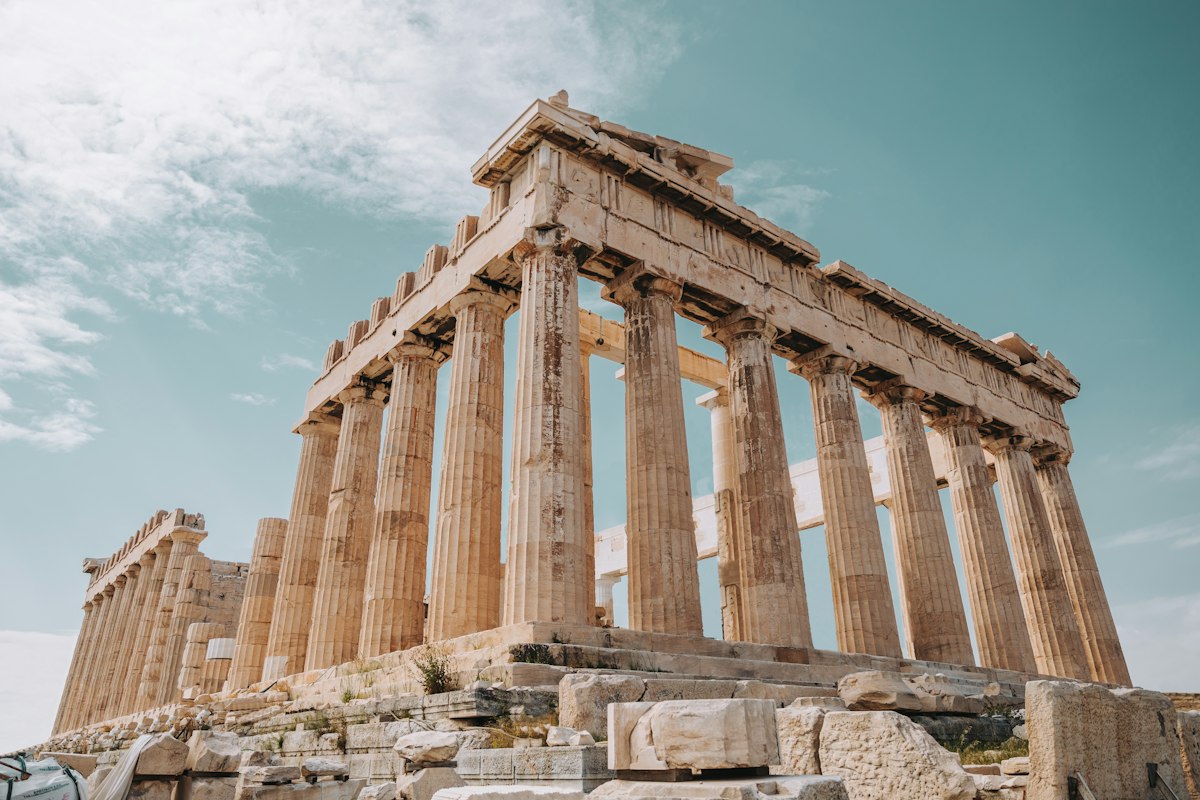
About The Acropolis
The Acropolis of Athens is the world's most important ancient monument — a limestone plateau rising 150m above the city, topped by the Parthenon and surrounded by some of the finest surviving examples of classical Greek architecture. The Parthenon, built between 447 and 432 BC, was dedicated to the goddess Athena and is considered the perfection of the Doric order of architecture. Even partially ruined, with its marble columns still standing after 2,500 years, it's a profound experience to stand beside. The Erechtheion, the Temple of Athena Nike, and the Propylaia gateway complete the hilltop complex. The Acropolis Museum at the base of the hill houses the finest surviving sculptures and provides essential context.
History & background
The Acropolis has been a sacred site since the Mycenaean period (13th century BC). The golden age of Athenian democracy under Pericles produced the buildings that survive today, built between 461 and 406 BC. The Parthenon later served as a Christian church, then a mosque under Ottoman rule. An explosion in 1687, when the Venetians shelled the Ottoman powder magazine inside the Parthenon, caused catastrophic damage. The famous Elgin Marbles — carved friezes removed by Lord Elgin in the early 19th century — are currently in the British Museum, and their return is still actively disputed by Greece.
Practical information
Nearby attractions
Where to stay in Athens?
Compare hotels, guesthouses, and rentals. Book with confidence.
FAQ: The Acropolis
Travelist editorial note: Guides are written to help travellers compare destinations, plan trips, and discover useful places. Details like prices, opening hours, visa rules, and safety information may change — always confirm important information before booking.