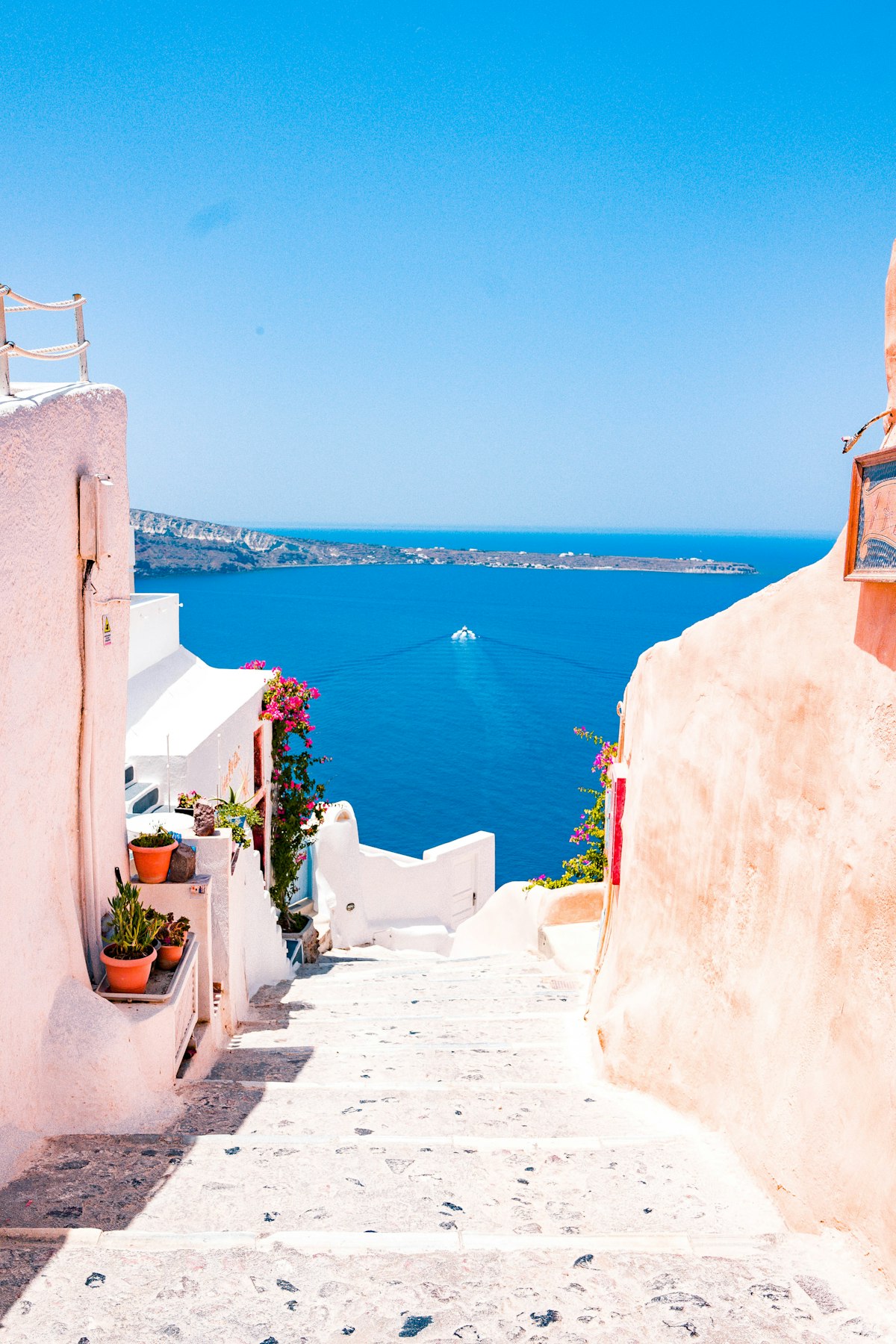
About Santorini Caldera
Santorini's caldera is one of the world's most dramatic natural landscapes — the flooded remnant of a massive volcanic eruption that occurred around 1600 BC and may have contributed to the decline of the Minoan civilization. The caldera is a vast circular bay, 12km across, plunging 400m deep, formed by the collapsed volcanic cone. The white-washed villages of Oia, Fira, and Imerovigli cling to the caldera's rim above sheer clifftops, creating the iconic blue-domed, white-walled photographs that have defined the image of the Greek islands worldwide. Watching the sun set from Oia over the caldera — however crowded it gets — remains one of the world's great travel experiences.
History & background
The caldera was created by a massive volcanic eruption between 1627 and 1600 BC — one of the largest volcanic events in recorded history. The explosion destroyed much of the island and generated a tsunami. The island was recolonised in subsequent centuries and became part of the Minoan, then Mycenaean, then Greek civilizations. Today's villages were built in the medieval period, with the distinctive white-washed style enforced by the Greek government in the 20th century.
Practical information
Nearby attractions
Where to stay in Santorini?
Compare hotels, guesthouses, and rentals. Book with confidence.
FAQ: Santorini Caldera
Travelist editorial note: Guides are written to help travellers compare destinations, plan trips, and discover useful places. Details like prices, opening hours, visa rules, and safety information may change — always confirm important information before booking.