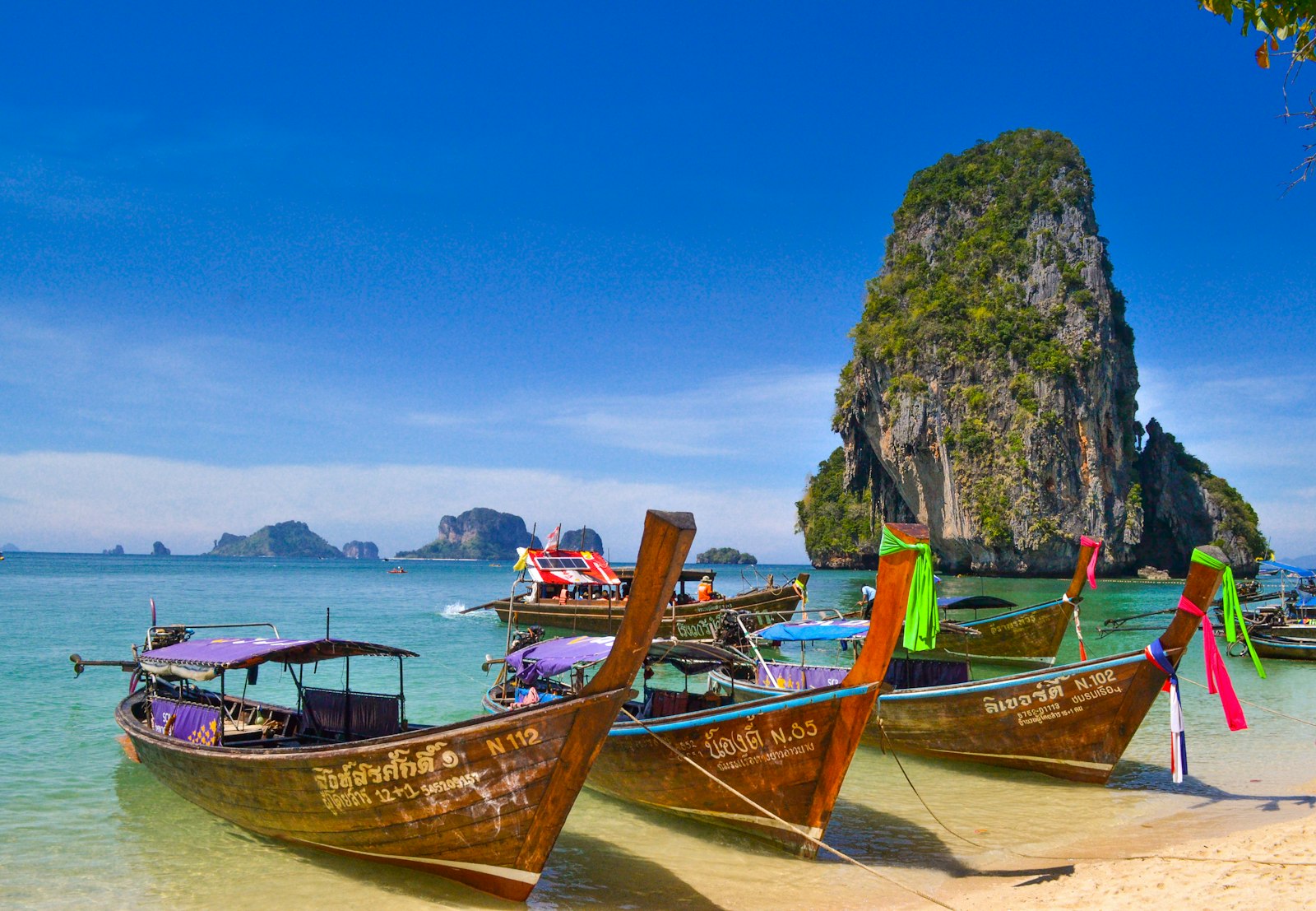
Thailand is not one weather destination. Bangkok, Chiang Mai, Phuket, Krabi, Koh Samui, and the smaller islands can have different rainfall patterns and different peak seasons.
The broad planning answer is that November through February is the easiest all-round window for many first trips, but it is also popular. Other months can work very well when you choose the region around the weather rather than expecting the whole country to match.
The quick answer by region
| Region | Strong planning window | What to watch |
|---|---|---|
| Bangkok | November to February for cooler city walks | Heat and humidity rise later in the year |
| Northern Thailand | November to February for clearer, cooler conditions | Check local air quality before booking late-winter dates |
| Phuket and Krabi | November to April for many beach plans | Andaman weather can be rougher during the southwest monsoon |
| Koh Samui and nearby Gulf islands | Often a different rainfall pattern from the Andaman coast | Check the exact island forecast and ferry conditions |
| Thailand year-round route | November to February for the simplest balance | Peak demand means earlier reservations |
These are travel-planning patterns, not guarantees. Weather, sea conditions, and local events can vary by year.
November to February: the comfortable high season
This is the easiest period for a first-time multi-stop route. Bangkok is more comfortable for long walks, northern evenings are cooler, and many beach itineraries have favorable conditions. The cost is demand: popular islands, flights, and good-value rooms can fill earlier.
Book the parts of the trip with limited supply first, especially island accommodation and transport on holiday dates.
March to May: heat, festivals, and a slower pace
The hot season can be intense in cities and inland areas. Plan sightseeing for morning and evening, keep afternoons flexible, and choose accommodation with reliable air conditioning when you need it.
Songkran in April is a major cultural experience, but it changes transport, hotel demand, and the rhythm of a trip. Book early and understand that some services may operate differently around the holiday.
Northern Thailand can also have periods of poor air quality. Check current conditions rather than assuming a typical-season summary tells you what the air will be like on your dates.
June to October: green season and regional choices
The rainy season is not necessarily a washout. Many showers are short, landscapes become lush, and accommodation can offer better value. The important question is where and when the rain arrives, especially if your trip is built around boats or beach days.
The Andaman coast and the Gulf coast do not follow exactly the same pattern. If one island group looks unsettled, compare the other coast before abandoning Thailand entirely.
Is rainy season a bad time to visit?
No. It is a poor fit only if every day must be a guaranteed beach day. Rainy-season travel works for travelers who enjoy food, cities, temples, massages, markets, and flexible plans. Keep a buffer around ferries and outdoor activities, and do not schedule a remote island connection immediately before an international flight.
What is the best month for islands?
There is no single answer because Phuket, Krabi, Koh Samui, Koh Phangan, Koh Tao, and smaller islands can have different conditions. Choose the coast first, then look at its local pattern, ferry availability, and the exact forecast.
If the beach is the main purpose of the trip, reserve flexibility for changing the order of your route. A city day is easier to move than a pre-paid boat transfer.
What is the best time for Bangkok?
Bangkok works year-round, but cooler months are more comfortable for temple walks, markets, and neighborhoods. In the hot or wet season, split sightseeing into short blocks and use malls, museums, cafes, and river transport as breaks from the heat.
Use the Bangkok Travel Guide for a neighborhood-based route rather than trying to cross the city for every attraction.
What is the best time for northern Thailand?
November through February is popular for cooler air and outdoor trips. March through May can be hot and may bring air-quality concerns in parts of the north. The wet season can be beautiful for green landscapes, but mountain roads and outdoor plans need more flexibility.
Check local weather and air-quality information shortly before a northern trek or motorbike route.
How long should you stay?
- Seven days: Bangkok plus one beach region.
- Ten to fourteen days: Bangkok, the north, and one coast, with enough time to absorb travel days.
- Three weeks: Add a second island group or a slower regional route.
Thailand looks easy to connect on a map, but flights, ferries, airport transfers, and weather buffers consume real time. More destinations are not automatically a better trip.
The simple recommendation
- Choose November to February for the easiest first trip.
- Choose April if you specifically want Songkran and can plan around the holiday.
- Choose June to October for greener scenery and potentially better value, with flexible outdoor plans.
- Choose the coast by its local weather pattern, not by a single national forecast.
For broader route ideas, start with the Thailand Travel Guide and confirm current conditions through official Thai tourism and weather sources before departure.
Sources & verification
Official references used to check the practical details in this guide. Schedules, prices, and access can change, so verify them again before travelling.