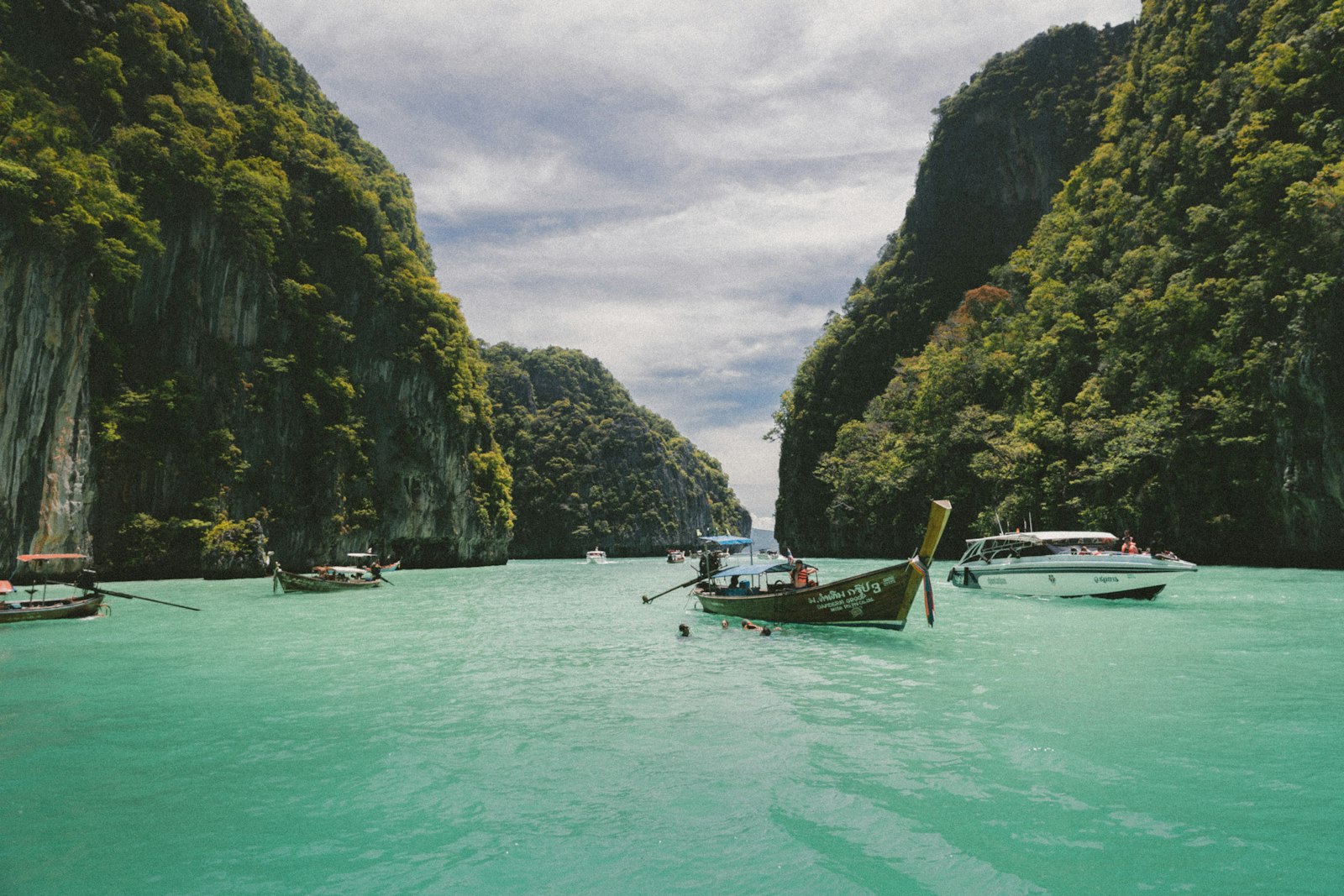
Thailand is easiest to plan as a small combination of experiences: a city, a cultural or food stop, and one beach or nature base. The country is large enough that weather, transfer time, and the difference between regions matter. A first trip works better when you choose a route before choosing every hotel.
How many days do you need?
- Five to seven days: Bangkok plus one beach or island base.
- Ten to fourteen days: Bangkok, a northern or cultural stop, and one beach region.
- Three weeks or more: add a slower regional route instead of moving every two nights.
Do not treat domestic flights, ferries, and airport transfers as free time. A travel day can still be enjoyable, but it is not the same as a full sightseeing day.
Should you visit Bangkok or Phuket first?
Bangkok is stronger for street food, temples, neighborhoods, markets, shopping, and a huge range of indoor activities. Phuket is a convenient beach base with more resort infrastructure and access to nearby islands, but it is not the only way to experience Thailand's coast.
Compare the decision in Bangkok vs Phuket before booking the first hotel.
What is the best time to visit Thailand?
There is no single best month for the entire country. Rainfall and conditions differ between the Andaman coast, the Gulf coast, Bangkok, and northern Thailand. Peak-season weather can bring stronger demand and higher prices, while shoulder or rainy periods can offer better value with more variable conditions.
Check the region, not just the country name. The best time to visit Thailand guide compares the main patterns without pretending the weather is guaranteed.
Is Thailand expensive?
Thailand can fit different budgets, but costs change sharply between a local guesthouse and a resort, a street-food meal and a hotel restaurant, or a quiet month and peak demand. Plan a range for accommodation, transport, activities, and food instead of copying one daily number from a blog.
Keep a backup payment method and some local cash for small shops, markets, transport, and places outside tourist centers.
Can you use cards?
Cards are common at hotels, larger restaurants, shopping centers, and organized businesses. Smaller vendors, markets, taxis, and local food stalls may prefer cash or a local payment method. Carry enough baht for the next part of the day, but avoid carrying all your travel money in one place.
Do you need to speak Thai?
You can manage the main tourist route with English, maps, and translation tools. English ability varies by region and business. Save hotel addresses in Thai or keep a map pin ready for drivers, and use clear short requests rather than relying on a complicated explanation.
What should you wear at temples?
Dress respectfully at temples and follow posted instructions. Cover shoulders and knees when required, remove shoes where asked, and do not treat religious spaces as photo sets. Rules can differ by site, so check signs and observe how other visitors behave.
Is street food safe?
Busy stalls with high turnover are often a practical choice because ingredients move quickly, but normal food and water care still matters. Choose food that is cooked hot, be cautious with raw items if conditions are unclear, and carry any medication you normally need.
Do you need a car?
Not for a classic first route through Bangkok and major tourist bases. Trains, buses, flights, ferries, taxis, and organized transfers can cover a lot. A car becomes more useful for remote beaches, rural areas, or a flexible northern road trip, but driving conditions and local rules deserve serious attention.
How should you plan islands and ferries?
Choose one coast or island group unless you have enough time for a real transfer day. Ferry connections are seasonal and weather-sensitive. Leave a buffer before an important flight, and check the current operator schedule rather than relying on a screenshot from a previous year.
What are the main first-trip mistakes?
- Trying to combine Bangkok, the north, both coasts, and several islands in one week.
- Booking a remote beach hotel without checking the final transfer.
- Assuming rainy season means rain all day or dry season means perfect weather every day.
- Forgetting that a resort base can feel very different from a local city neighborhood.
- Planning temple visits without checking dress and opening information.
A simple first route
For seven days, use Bangkok for three nights and one beach or island base for three or four nights. For ten to fourteen days, add one cultural or northern stop only if the connections fit the season and your arrival airport. Keep the route legible; Thailand is more rewarding when you are not spending every other day in transit.
Sources & verification
Official references used to check the practical details in this guide. Schedules, prices, and access can change, so verify them again before travelling.