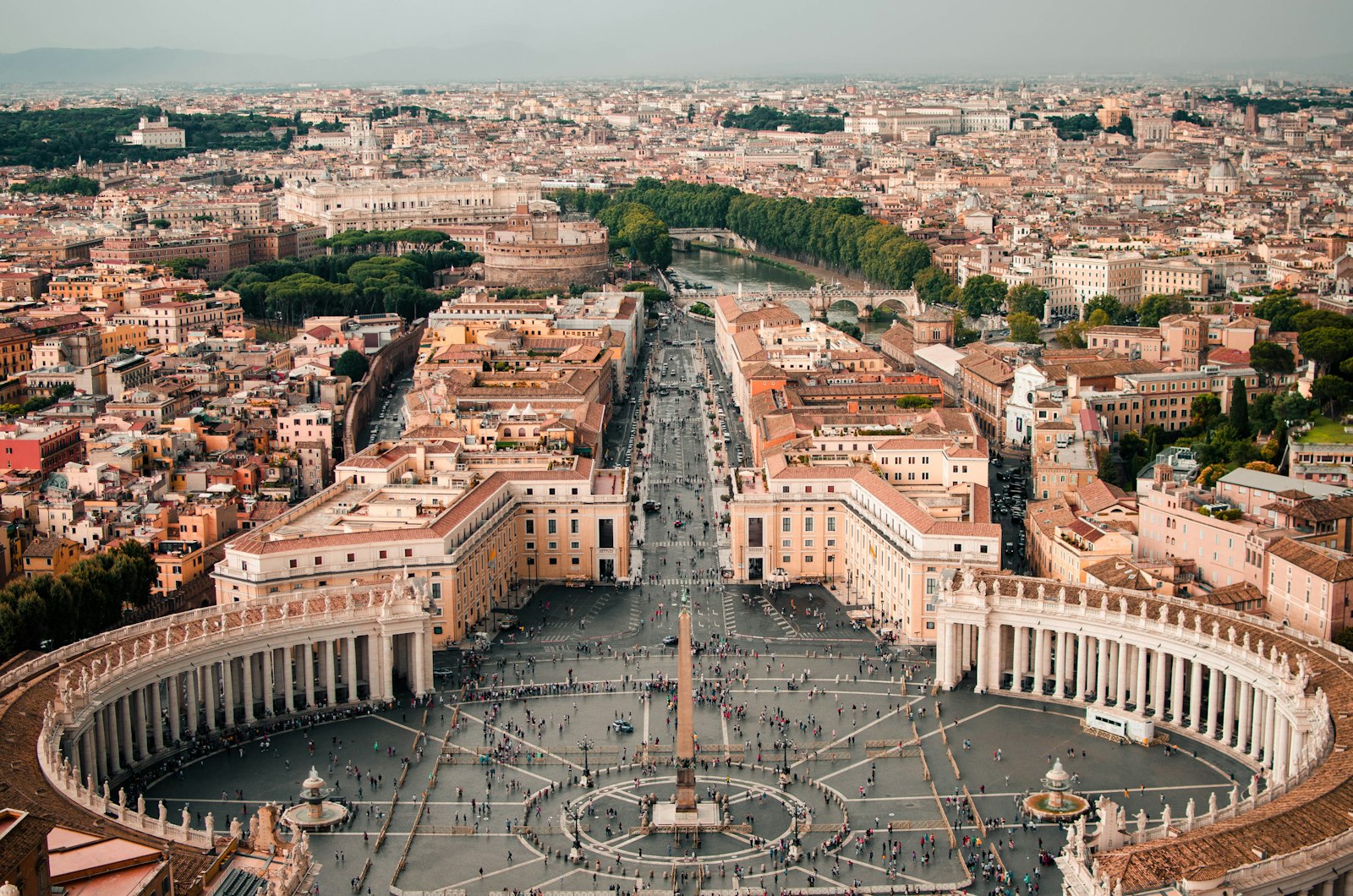
About the Hungarian Parliament Building
The Hungarian Parliament Building (*Országház* — "House of the Country") is the third-largest parliamentary building in the world and one of the most architecturally magnificent. Designed by Imre Steindl and built between 1885 and 1902, it sits on the Pest bank of the Danube at Kossuth Lajos tér, its Neo-Gothic facade of limestone and red brick stretching 268 metres along the river.
The statistics are striking: 691 rooms, 29 staircases, 10 courtyards, 13 elevators, 27 entrance gates. The interior contains 40 kg of gold in its decorative elements. The building is topped by a central dome at 96 metres — the height chosen to match the Basilica of St Stephen, both symbolically equalizing secular and religious authority, and to align with 896 CE, the year of the Hungarian conquest of the Carpathian Basin.
The building is part of the UNESCO World Heritage inscription covering the Banks of the Danube and related monuments in Budapest.
What to See
The Interior (Guided Tour)
Interior visits are by guided tour only. The route includes:
The Grand Staircase: An extraordinary Neo-Gothic staircase with gilded vaulting, stained glass, and carved stone — the visual highlight of the tour for many visitors.
The Dome Hall (Kupola Hall): The domed central hall at the heart of the building, where the Hungarian regalia are displayed — most significantly, the Holy Crown of Hungary (Szent Korona), the most sacred object in Hungarian national identity. The crown, used to crown Hungarian kings from the 11th century, is exhibited under glass in the center of the hall. Also displayed: the coronation orb, sceptre, and sword.
The Delegation Room and Conference Hall: Large ceremonial rooms with painted ceilings, tapestries, and gilded decoration, illustrating the full range of the building's decorative programme.
The Exterior (Free)
The exterior can be viewed for free at any time. The best views:
- From the Pest embankment (Kossuth Lajos tér riverfront) — the full facade reflected in the Danube
- From the Buda side — Chain Bridge or Fishermen's Bastion for the cross-river panorama
- At night — the building is illuminated and particularly spectacular reflected in the river
Kossuth Lajos tér (the square in front of the Parliament) has been fully restored and is one of the grandest public spaces in Budapest.
Practical Information
Tickets and booking: Interior tours must be booked in advance at parlament.hu. EU/EEA citizens receive reduced pricing with a valid ID; non-EU visitors pay standard price. Tours run in multiple languages. Book at least 2–3 days ahead for peak season.
Tour duration: Approximately 45–50 minutes.
Photography: Permitted in most areas of the tour route.
Accessibility: The building has accessibility provisions; contact the Parliament in advance for detailed information.
Security: As an active government building, airport-style security screening is required. Arrive early.
The Holy Crown of Hungary
The Holy Crown (*Szent Korona*) is Hungary's most important national symbol — arguably more so than the flag or the anthem. According to tradition, it was sent by Pope Sylvester II to Stephen I of Hungary for his coronation on Christmas Day 1000 CE, marking Hungary's formal entry into Christian Europe as a kingdom.
The crown as seen today is actually a composite: the lower Greek section (*corona graeca*) dates to around 1074; the upper Latin section (*corona latina*) is older. The two were joined, probably in the 12th century.
The crown has been hidden, stolen, lost, and recovered multiple times across a thousand years — most recently stored in the United States from 1945 to 1978, when it was returned by the Carter administration. It has been displayed in the Parliament building since 2000.
Tips for Visiting
- Book online at least a few days in advance, particularly in summer
- The exterior view from across the river (Buda side, or from the Chain Bridge) is as important as the interior tour — plan time for both
- Go at dusk for the most spectacular combination of natural and artificial light on the facade
- The square in front of the Parliament (Kossuth tér) has been substantially redesigned and is worth exploring — the statues and memorials have significant historical context
Frequently Asked Questions
Can you visit the Hungarian Parliament without a tour? The exterior and Kossuth Lajos tér are freely accessible. The interior requires a guided tour, which must be booked in advance at parlament.hu.
How much do Parliament tours cost? Prices vary by citizenship (EU/non-EU) and tour type. Check the official website (parlament.hu) for current pricing as it changes periodically.
Is the Holy Crown of Hungary real? Yes — the actual medieval crown used to crown Hungarian kings is displayed in the Dome Hall. It is not a replica.
What is the best time to visit the Parliament? Morning tours have the best natural light in the dome. Book early-morning slots in summer to beat the queues.
How long does a Parliament tour take? Standard guided tours last approximately 45–50 minutes.
Is the Hungarian Parliament still an active parliament? Yes — the National Assembly of Hungary meets in the building. Tours avoid the working chambers when parliament is in session.