Why Visit Tokaj?
Tokaj is small — under 5,000 residents — but its wine has shaped European history. The Aszú dessert wine produced here from noble-rot (botrytis cinerea) affected grapes was already famous by the 16th century. Pope Pius II reportedly called it "the wine of kings." Louis XIV's court called it "Roi des vins, vin des Rois" — "King of wines, wine of kings." Tsar Peter the Great had Russian soldiers guard the vineyards to ensure supply.
The landscape that produces all this — a UNESCO World Heritage Cultural Landscape since 2002 — is at the confluence of the Tisza and Bodrog rivers, where autumn morning mists from the rivers create ideal conditions for the noble rot that concentrates sugars in the late-harvest grapes. The volcanic soil (rhyolite tuff) of the Zemplén Hills gives the wines their characteristic minerality. The deep cellars carved into the hillside, coated in the black Cladosporium cellar fungus, are where the wine ages.
Even if wine is not your primary interest, Tokaj is a beautiful and peaceful place — a small river town with a remarkably rich history.
What to See and Do in Tokaj
Wine Cellar Tastings
The primary activity. Multiple cellars in and around the town offer tastings, ranging from large commercial houses to small family producers.
What to taste:
- Tokaji Aszú — the golden dessert wine; sweetness graded in puttonyos (3, 4, 5, 6, or the extraordinary Eszencia); complex, concentrated, long-lived
- Tokaji Furmint — the dominant dry white variety; increasingly the focus for modern winemakers; mineral, high-acid, excellent with food
- Tokaji Hárslevelű — aromatic, floral; often blended with Furmint
- Szamorodni — dry or sweet; made from bunches with some botrytised grapes; oxidative style; excellent aperitif
The Rákóczi Cellar (Rákóczi Pince): One of the most famous cellars in Tokaj, an enormous underground labyrinth carved into the hillside over centuries. Tours and tastings available; book ahead for guided visits.
Walking the Vineyards
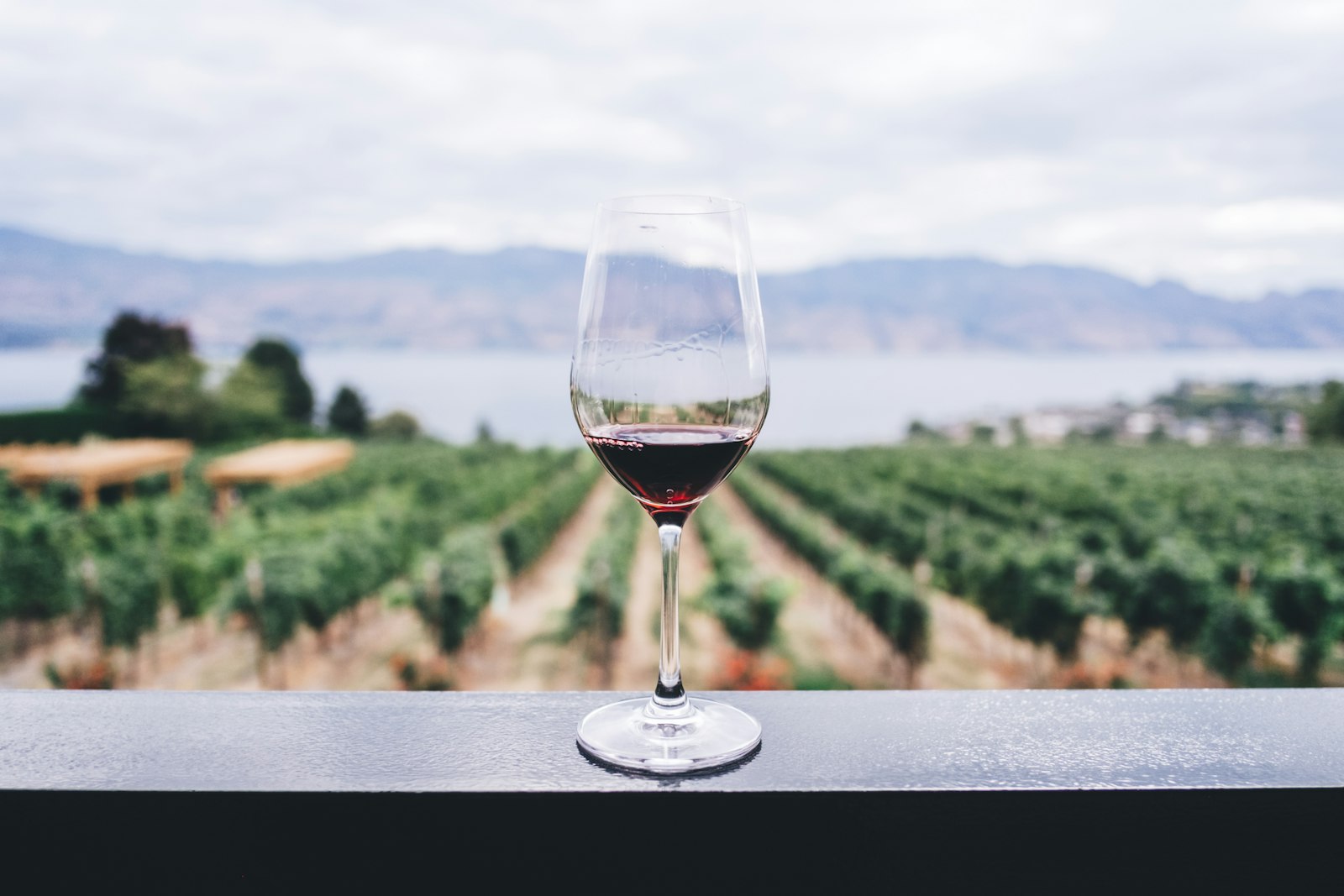
The hillside vineyards above the town are accessible on foot via marked paths. The most photographed views — the confluence of the two rivers, the town, the vineyards on the volcanic slopes — are best from the upper path in the late afternoon. The harvest season (September–October) when the baskets of grapes come down the slopes is particularly atmospheric.
Tokaj Museum
A small but well-curated museum in the town covering the history of the wine region, the geology of the volcanic landscape, the botrytis noble rot process, and the social history of winemaking in the area. Check current opening hours locally.
The Two Rivers
The confluence of the Tisza and Bodrog rivers at the base of the town is one of Tokaj's most distinctive geographical features — and the source of the autumn mists that make noble rot possible. A walk along the riverbank in the evening is peaceful.
Where to Stay in Tokaj
Tokaj has a small but adequate range of accommodation — guesthouses in the town center, and increasingly wine estate accommodation on the hillside above the town. Wine estate stays (where you can step out from dinner directly into the cellar) are the most atmospheric option.
Search on Booking.com for current rates.
Getting to Tokaj
By train from Budapest: Train to Miskolc from Budapest Keleti (approximately 2h IC), then regional train to Tokaj (approximately 1h). Total approximately 3 hours.
By train from Eger: Bus or train via Miskolc. Approximately 1.5–2 hours.
By car: From Budapest approximately 220 km northeast on the M3 motorway then regional roads; approximately 2.5 hours. From Eger approximately 1.5 hours by car directly.
Note: The direct road from Eger to Tokaj runs through beautiful northeastern Hungarian countryside — the drive through the hills is worthwhile in itself.
Frequently Asked Questions
What is Tokaji Aszú? Hungary's most famous wine — a dessert wine made from late-harvest grapes affected by botrytis noble rot, which concentrates sugars and produces intense, honeyed flavors. Sweetness is graded in puttonyos (3–6; the higher the number, the sweeter).
Is Tokaj worth visiting for non-wine enthusiasts? Less so than for wine lovers — the town is small and the main draw is wine. However, the landscape and the river confluence are beautiful, and the UNESCO setting is genuinely remarkable.
When is the wine harvest in Tokaj? Late September through October, sometimes into November for the nobly rotted grapes. Timing varies by year.
How long should I spend in Tokaj? One night and a full day is enough to cover the main cellars and the vineyards. Extend to two nights if you want to visit multiple producers in depth.
Is Tokaj expensive? Tokaji Aszú wines are expensive (particularly older vintages and higher puttonyos levels). Dry Furmint and other still wines are much more reasonably priced. Accommodation and food in the town are affordable.