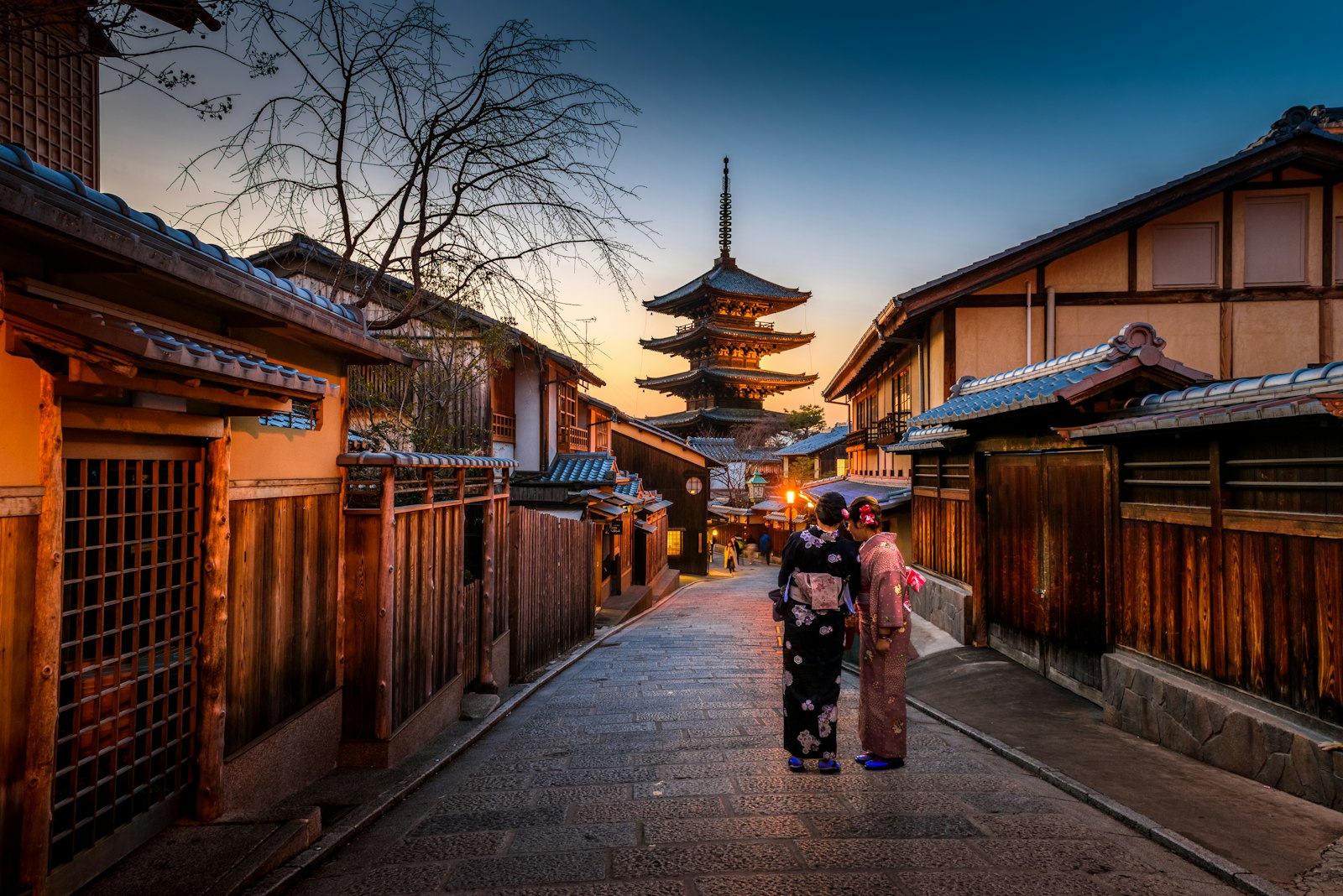
Choose Tokyo for scale, modern culture, neighborhoods, shopping, and endless food choices. Choose Kyoto for temples, gardens, traditional streets, and a slower historical atmosphere. If this is your first trip and you have at least seven days, seeing both usually gives you a much better picture of Japan than forcing a single winner.
The decision in one table
| Choose Tokyo if you want | Choose Kyoto if you want |
|---|---|
| A huge modern city with different neighborhoods | Temples, gardens, and historic streets |
| Shopping, nightlife, anime, design, and food variety | A slower cultural rhythm and traditional architecture |
| More flexibility in bad weather | A concentrated sightseeing route with early starts |
| A longer stay without repeating yourself | A two- or three-day first taste of old Japan |
Tokyo: the city that keeps changing
Tokyo is not one experience. Shinjuku, Shibuya, Asakusa, Ueno, Shimokitazawa, Ginza, and the bay area feel like different cities connected by a remarkable rail network.
It suits travelers who enjoy choosing a neighborhood each day. You can spend a morning in a shrine district, an afternoon in a museum or department store, and an evening in a tiny restaurant without needing a long intercity transfer.
Tokyo is also the easier choice when weather changes your plans. There are more indoor activities, food halls, shopping streets, museums, and neighborhoods to swap into the day.
Read the Tokyo Travel Guide.
Kyoto: the city of deliberate days
Kyoto rewards early starts and a slower route. Fushimi Inari, Higashiyama, Arashiyama, Gion, Nishiki Market, and the northern temples each deserve more time than a single photograph.
The city is smaller and more concentrated, but that does not always mean easier. Famous areas become crowded, buses can be slow, and some temples are separated by hills or long walks. Stay near the part of Kyoto you most want to experience and begin popular visits early.
Kyoto is the better choice for travelers who want traditional architecture, gardens, tea culture, craft, and a stronger sense of historical continuity.
Read the Kyoto Travel Guide.
Which city is better for food?
Both cities are outstanding, but the experience differs. Tokyo has more range across every budget and cuisine. Kyoto is stronger for seasonal presentation, traditional dishes, tea, markets, and a food culture connected to the city's history.
Do not treat the choice as Tokyo equals modern food and Kyoto equals expensive food. Both cities have excellent casual meals, markets, bakeries, ramen, and neighborhood restaurants.
Which city is cheaper?
The answer depends more on hotel dates and neighborhood than on the city label. Kyoto can be expensive during peak seasonal events, while Tokyo's size creates a wider range of room and meal options. Compare the total cost of the exact dates, including transport to attractions and the time value of long transfers.
Which is better with children?
Tokyo usually offers more variety for different ages and weather: parks, aquariums, museums, character stores, and easy food options. Kyoto can be wonderful for families who enjoy gardens, trains, crafts, and shorter historical visits, but the crowds and walking can test young children.
Choose accommodation near a station or a calm neighborhood, and plan one anchor activity per half-day rather than trying to turn both cities into a checklist.
Which is better for a short trip?
- Two or three days: Tokyo if you want maximum variety; Kyoto if traditional Japan is the main reason for the trip.
- Four or five days: Choose one city properly rather than splitting into two rushed stays.
- Seven days: Tokyo and Kyoto can work with one transfer day.
- Ten days or more: Add both plus a region such as Hakone, Nara, Kanazawa, or Hiroshima.
Can you do both without stress?
Yes. Group your Tokyo days together and your Kyoto days together, then make one planned intercity transfer. Keep the first and last nights close to your arrival and departure airports or stations when possible.
Do not book a major attraction at the exact time you expect to arrive in the other city. Station navigation, luggage, and hotel check-in take longer than the map suggests.
Our verdict
- Modern energy and maximum choice: Tokyo.
- History and atmosphere: Kyoto.
- First Japan trip with a week: Both.
- Short trip with one clear theme: Pick the city that matches the experience you want, not the one with the more famous photograph.
Use the Japan Travel FAQ for cash, IC cards, luggage, etiquette, and train planning before you book.
Sources & verification
Official references used to check the practical details in this guide. Schedules, prices, and access can change, so verify them again before travelling.