Italy is one of the best countries in Europe for a first trip without a rental car. The major art cities are linked by fast trains, historic centers are made for walking, and local buses or ferries can fill the smaller gaps.
The trick is to build a route around rail-friendly bases, not to recreate a driving itinerary with a train ticket after every night.
The easiest first route
Rome -> Florence -> Venice is the cleanest seven-to-ten-day route. Add Naples or Bologna only if you have enough time to slow down.
Rome: three or four nights
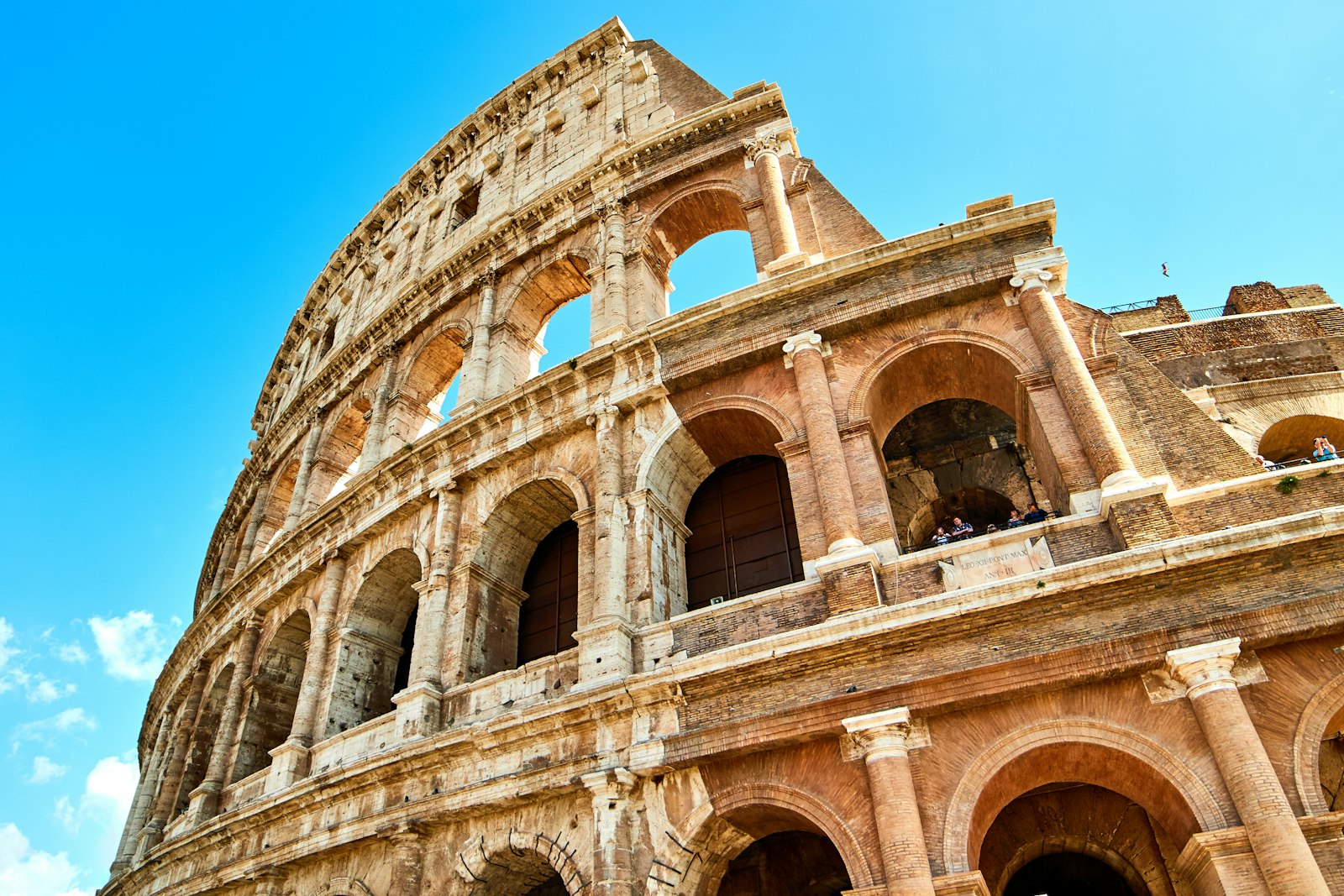
Rome works without a car because the central sights are connected by walking, metro, buses, and short taxi rides. Stay near a neighborhood with evening restaurants and a practical connection rather than choosing only by the distance to the Colosseum.
Reserve the major timed-entry attractions around your actual arrival day. A delayed flight should not ruin a non-refundable first-morning booking.
Use the Rome Travel Guide to choose an area and pace.
Florence: two or three nights
Florence is compact and unusually easy to explore on foot. The historic center, markets, galleries, and river walks are close together. It also makes a strong base for a day trip to another Tuscan town if you want countryside without renting a car.
The city can feel crowded in the middle of the day. Start early, reserve the museum that matters most, and use the late afternoon for a slower neighborhood walk.
Venice: two or three nights
Venice is car-free by design. Arrive by train, carry manageable luggage, and check whether your accommodation is near a bridge-free route from the station or an easy vaporetto stop. The last ten minutes with a large suitcase can be the most tiring part of the journey.
Stay on the island if the atmosphere matters, or on the mainland if budget and practical transport matter more. The choice changes the evening experience.
Should you add Naples?
Add Naples for food, street life, archaeology, and access to Pompeii and the Amalfi region. It is a better choice than adding another major city if you want a more contrasting Italy experience.
Naples can feel more chaotic than Florence or Venice. That is part of the character, but choose accommodation carefully and keep your arrival plan simple.
How do Italian trains work?
High-speed trains connect the main cities. Regional trains cover shorter routes and are useful for day trips. The official Italy tourism site recommends trains as one of the practical ways to move around the country, but the best ticket depends on your dates and route.
For high-speed services, book ahead when you want a specific departure or lower fare. Regional tickets are more flexible, but follow the current validation or digital-ticket instructions for the operator you use.
Do not board a train based only on the city name. Check the station, train number, platform, and final destination because large cities can have several stations or services.
Do you need a rail pass?
Often not for a simple Rome-Florence-Venice route. Compare the total of point-to-point tickets with any pass, including reservations and local transport. A pass can make sense for a longer route with several flexible journeys, but the headline price is not the whole cost.
What about the Amalfi Coast?
The Amalfi Coast is possible without a car, but it needs more planning than the major city route. Use trains to Naples or Salerno, then connect by ferry, bus, or transfer depending on the season and town. Avoid assuming a short road distance means a quick journey.
For a relaxed visit, choose one base and take fewer day trips. Positano, Amalfi, Ravello, and Capri are not a checklist that needs to be completed in one afternoon.
What about the Dolomites or rural Tuscany?
These areas can be done without a car with trains, buses, and organized tours, but a car adds flexibility. If your dream Italy trip is vineyards, mountain trails, farm stays, or remote villages, either rent a car for only that section or choose a local base with a strong transport connection.
Avoid renting a car for the entire trip simply because one part of the itinerary is rural.
Luggage advice
Pack for stairs, cobblestones, platforms, and hotel rooms without lifts. A medium suitcase or backpack is easier than a large case. Keep one small bag with valuables, medicine, chargers, and the next night's essentials so you can move through stations quickly.
The best car-free itinerary by trip length
- Five days: Rome and Florence, with one day trip at most.
- Seven days: Rome, Florence, and Venice.
- Ten days: Add Naples or a smaller Tuscan or Emilia-Romagna base.
- Fourteen days: Add a southern or northern regional section rather than another one-night stop.
Common mistakes
- Booking a hotel beside a station without checking the neighborhood at night.
- Scheduling a museum or flight immediately after an intercity transfer.
- Taking a large suitcase to Venice or a hill town.
- Trying to combine the Amalfi Coast, Cinque Terre, and Venice in one short week.
- Assuming a rail pass is cheaper before comparing the exact fares.
Final answer
Italy without a car is not a compromise for a first trip; it is often the calmer choice. Use trains for the long moves, walk the historic cities, and add a short car or tour section only where the landscape demands it.
Start with the Italy Travel Guide, then build the route around the time you actually have.
Sources & verification
Official references used to check the practical details in this guide. Schedules, prices, and access can change, so verify them again before travelling.