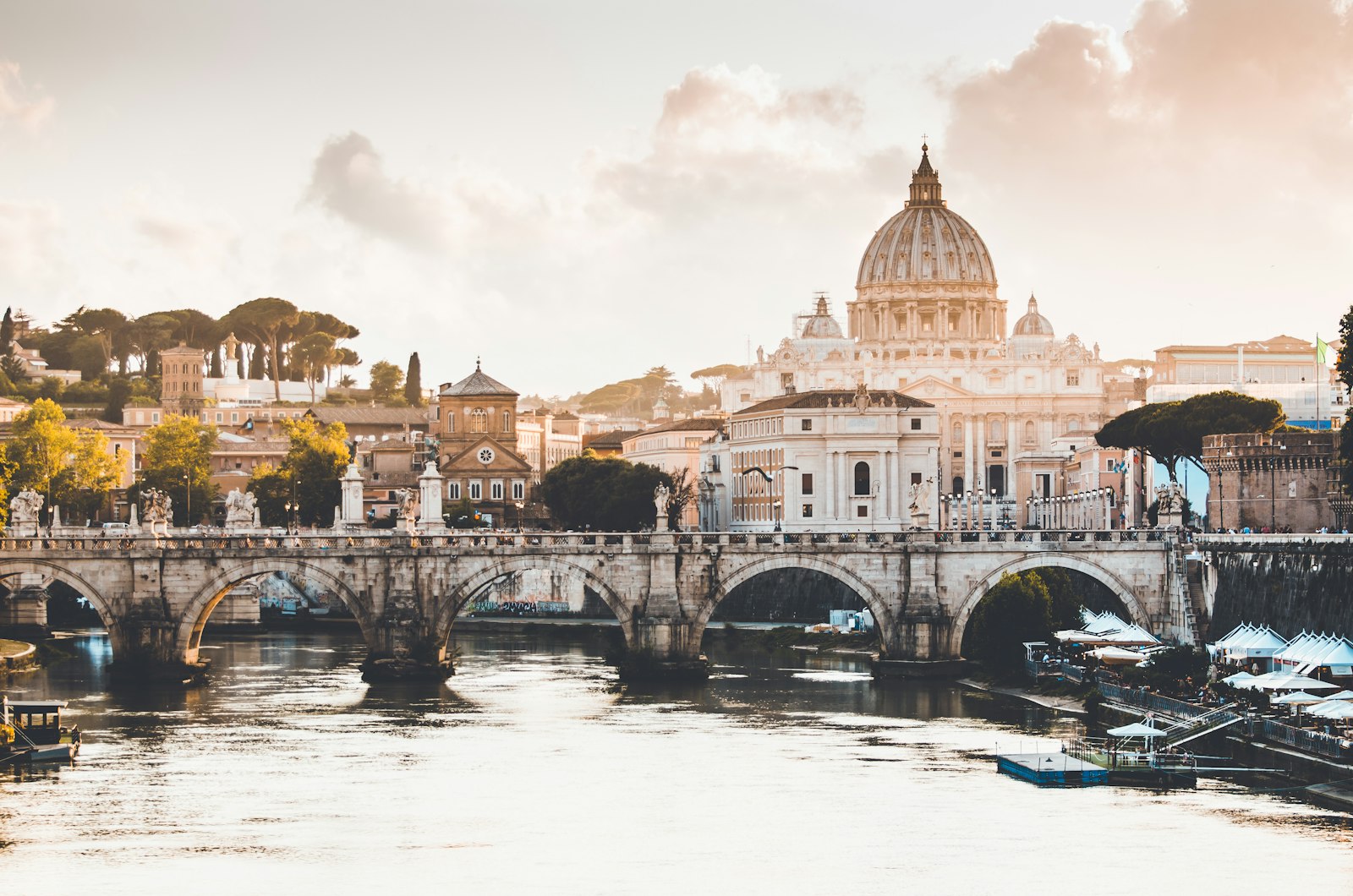
The easiest way to plan Italy by train is to choose a corridor, use two or three bases, and treat each transfer as part of the day. A first route through Rome, Florence, and Venice is practical for many travelers, but it becomes tiring when every night is in a different city or when a long regional connection is hidden behind a short line on the map.
The basic rule: fewer bases, better days
Italy has many cities that look close together on a map. The real time includes getting to the station, finding the platform, managing luggage, walking to a hotel, and checking in. Stay at least two nights in a major base unless the destination is specifically a short stop.
High-speed rail is most useful between larger cities. Regional trains and buses open up smaller towns, but they usually need more timetable checking and more buffer time. Use the Italy Without a Car guide for the broader transport tradeoffs.
A five-day first route
For five days, choose Rome and Florence rather than trying to add Venice. A workable shape is:
- Days 1-3: Rome, with one arrival day and two full sightseeing days.
- Day 4: Transfer to Florence and explore the historic center.
- Day 5: Florence, then depart or continue to a planned next stop.
This route gives you ancient history, major art, food, and two different city atmospheres without turning the whole trip into station time.
A seven-day route
For a week, Rome, Florence, and Venice can work if the arrival and departure airports fit the route:
- Days 1-3: Rome.
- Days 4-5: Florence, using it as a compact art and food base.
- Days 6-7: Venice, with the final night positioned around the departure plan.
Do not schedule a major museum or flight immediately after a long transfer. The itinerary is better when the last city is not treated as a fragile connection.
A ten-day route
Ten days gives you room to add one regional idea instead of stacking more capitals. Options include:
- Rome, Florence, Venice, and Bologna for food and a shorter city break.
- Rome, Florence, and Naples with Pompeii as a focused southern extension.
- Milan, Verona, Venice, and Bologna for a northern route.
- Rome, Florence, and a Tuscan town if you want a slower pace.
Choose one direction. Crossing from the far north to the far south can be worthwhile, but it deserves more time than a quick map comparison suggests.
Should you book high-speed trains in advance?
For a fixed itinerary, checking high-speed fares and seat availability early can help. For regional journeys, flexibility may matter more than saving a specific amount. Compare the exact route and travel date rather than assuming one pass or ticket type is always best.
Use official train operators for current schedules, restrictions, and booking conditions. Italia.it notes that Italy's network combines high-speed, regional, intercity, bus, and sea connections, so the best route is often a mix rather than a single rail product.
How should you handle luggage?
Keep luggage small enough to move through stations, hotel stairs, and narrow streets. A central hotel can save more time than a slightly cheaper room far from the station. On transfer days, check whether the hotel will store bags before check-in and after checkout.
Do not build a sightseeing plan that assumes you can drag a large case across cobbled streets without losing half the day.
Where should you stay near the station?
Being close to a station is useful on transfer days, but it is not always the best base for the whole stay. Compare the time saved on arrival with the evening walk, neighborhood atmosphere, and access to the sights you actually want.
In a small city, the historic center may be more convenient. In a large city, a station-adjacent neighborhood can be efficient if you are comfortable with a bus, metro, or short walk each day.
Is Italy by train good for families?
Yes, when the itinerary has breathing room. One major activity per half-day is more realistic than crossing a city for multiple reservations. Keep snacks, water, and a simple platform plan ready, and avoid changing hotels for a one-night stop unless it adds something important.
Common planning mistakes
- Treating a train journey as only the time shown on the ticket.
- Booking an early flight after returning from a distant city.
- Adding the Amalfi Coast, Sicily, or the Dolomites to a first one-week route without removing another base.
- Assuming every regional connection has the same frequency year-round.
- Choosing hotels by price without checking station and neighborhood access.
The simple answer
For a first trip, plan a north-to-south or south-to-north corridor, keep two nights per major base, and verify every connection close to travel. Italy rewards depth: a shorter route with time for a market, a long lunch, or an unplanned church is usually stronger than a list of six check-ins.
Sources & verification
Official references used to check the practical details in this guide. Schedules, prices, and access can change, so verify them again before travelling.