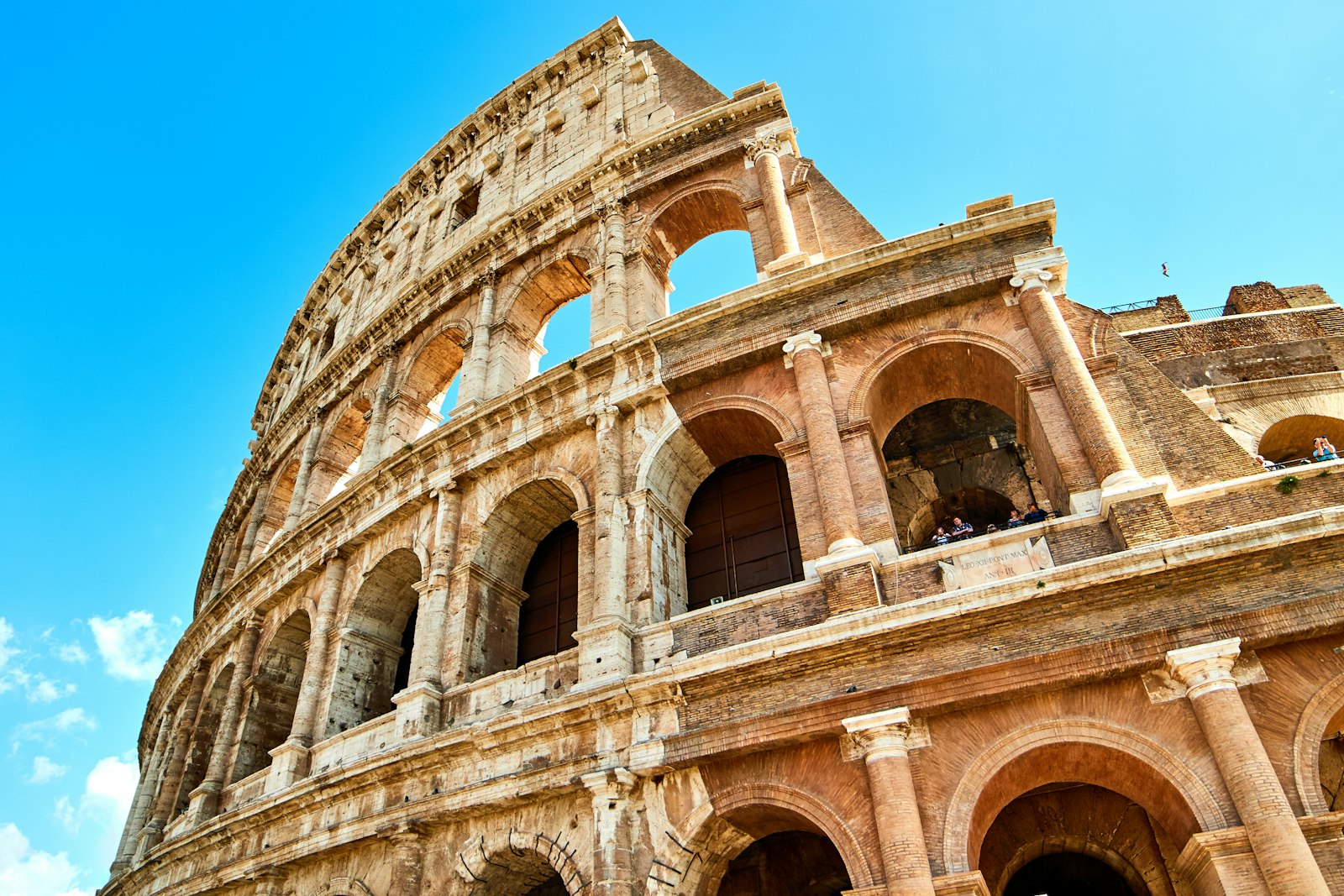
Choose Rome for ancient history, major landmarks, neighborhoods, and a city that can fill a week. Choose Florence for Renaissance art, a walkable center, food, and a shorter trip that feels easier to organize. If you have seven days, the train between them makes visiting both straightforward.
The quick decision
| Choose Rome if you want | Choose Florence if you want |
|---|---|
| The Colosseum, Forum, Vatican, and layers of history | Renaissance art and a compact historic center |
| More neighborhoods, food variety, and nightlife | A slower, more walkable city break |
| A base for southern or central Italy | A base for Tuscan day trips |
| Four or more nights of options | Two or three focused nights |
Rome: the bigger first trip
Rome is a living city with ancient ruins, churches, galleries, food neighborhoods, and long distances between some of its headline sights. It rewards a loose structure: one major timed attraction, one neighborhood, and one unplanned meal or walk each day.
The Colosseum and Forum, Vatican Museums, Pantheon, Trevi Fountain, and Trastevere are not one compact loop. Choose your area each day and use walking, metro, or taxis without trying to cross the entire city between every stop.
Read the Rome Travel Guide.
Florence: the concentrated art city
Florence is easier to understand quickly. The Duomo, Uffizi, Ponte Vecchio, markets, and central streets are close enough to build a satisfying walking route. Its scale makes it a strong choice for a long weekend or the middle section of a larger Italy trip.
The main limitation is not a lack of things to do; it is the concentration of visitors around a few famous sights. Reserve the museum that matters most, start early, and leave time for Oltrarno, local food, and a quieter evening.
Which is better for art and history?
Florence is the sharper choice for Renaissance art and a concentrated museum experience. Rome wins for historical layers across different centuries, from ancient engineering to Christian art and modern city life.
If your dream list is Michelangelo, Botticelli, and Renaissance architecture, Florence may feel more focused. If it is the Roman Forum, Vatican, ancient streets, and the story of a city that keeps being rebuilt, choose Rome.
Which is better for food?
Both cities are excellent, but the regional identity differs. Rome is famous for dishes such as cacio e pepe, carbonara, amatriciana, and supplì. Florence brings Tuscan cooking, bistecca, ribollita, beans, bread, and market culture.
The best meal is usually not the one beside the most famous monument. Walk a few streets away, look at the menu, and choose a place with a steady local rhythm.
Which is better for families?
Florence is simpler for families because many major sights are walkable and the daily distances are easier to explain. Rome has more variety but also more traffic, heat, crowds, and long transitions.
Rome can be brilliant with children when the itinerary includes parks, gelato stops, and one historical anchor per day instead of an adult museum marathon.
Which is better for a short trip?
- Two days: Florence if you want art and a compact route; Rome if the Colosseum is the reason you came.
- Three days: Either city, with reservations planned before arrival.
- Five days: Rome, or Florence plus a Tuscan day trip.
- Seven days: Both, connected by a high-speed train and a sensible buffer.
Which has better day trips?
Florence is a strong base for Tuscan towns and regional food or wine experiences. Rome offers Ostia Antica, Tivoli, Naples, Pompeii, and a wider range of historical excursions, although some require a longer day.
Choose day trips based on energy. A three-hour round trip can be worthwhile, but not if it makes every other day rushed.
Can you combine them without a car?
Yes. The city centers and the main rail connection make a car-free combination practical. Book a hotel with a manageable route from the station, carry moderate luggage, and do not schedule a museum at the exact time you expect to arrive.
For the broader route, read Italy Without a Car.
Our verdict
- Big history and a longer city stay: Rome.
- Art, walking, and a short break: Florence.
- First Italy trip with a week: Both.
- Lowest logistical friction: Florence.
- Most varied city experience: Rome.
The right choice is the one that matches your pace. Italy is better when you leave a little room for the street you did not plan to find.
Sources & verification
Official references used to check the practical details in this guide. Schedules, prices, and access can change, so verify them again before travelling.