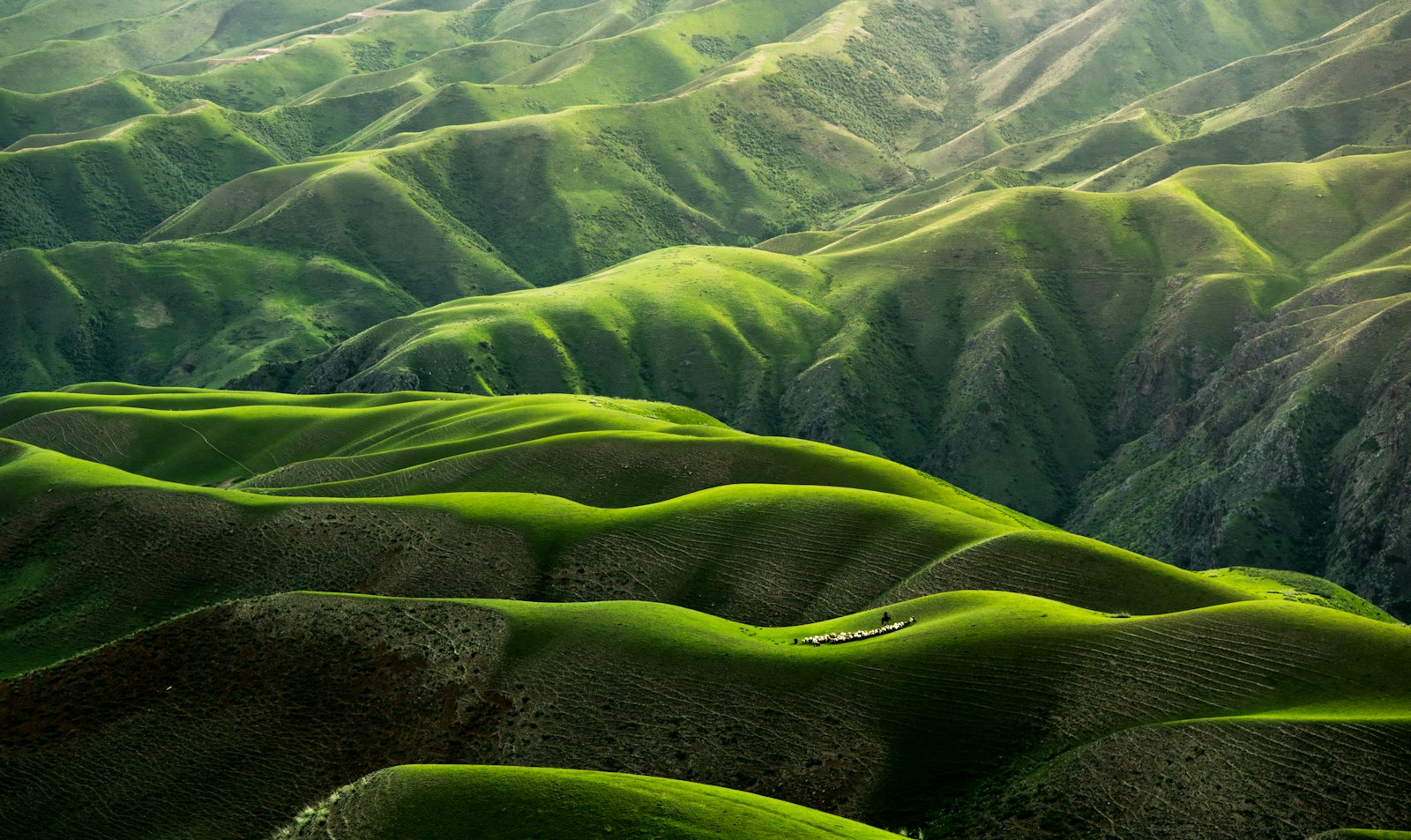
Hungary is a country that consistently surprises visitors. The capital is one of Europe's great cities — genuinely in the same conversation as Vienna, Prague, and Amsterdam for architecture and atmosphere. Beyond it, a string of destinations with completely different characters: wine country hillsides, a vast grassland national park, an inland sea, Baroque provincial towns, UNESCO cave systems, and a preserved medieval village. Here is where to go.
1. Budapest — Non-Negotiable
Why go: Budapest is the obvious starting point — and it justifies every superlative. The Parliament on the Danube embankment, the hilltop castle quarter, the thermal baths, the ruin bars, the food markets, the Opera House — few European capitals deliver so many different experiences at the same level of quality. It's one of those cities where three days is not enough and two weeks would still leave things unvisited.
Best for: Everything — architecture, history, thermal baths, food, nightlife, Christmas markets Don't miss: Széchenyi Bath; Buda Castle and Fishermen's Bastion; the Parliament; ruin bars in the Jewish Quarter; the Great Market Hall
Budapest travel guide → | 3-day Budapest itinerary → | Best thermal baths →
2. Lake Balaton — Central Europe's Sea
Why go: Lake Balaton is 77 km of warm freshwater — Central Europe's substitute for a coast that landlocked countries can't otherwise have. The northern shore is the better choice for scenery and wine; Tihany Peninsula is the most beautiful single spot; Badacsony is Hungary's best wine village after Tokaj. The southern shore (Siófok) is for beach holidays, partying, and families.
Best for: Swimming, sailing, cycling, wine, family summers, scenic drives Don't miss: Tihany Peninsula and its Benedictine abbey; Badacsony wine; the lake at sunset from the northern shore
Lake Balaton guide → | Tihany guide →
3. Eger — Wine, Castle, and Baroque Architecture
Why go: Eger is the best provincial city in Hungary. The Baroque townscape is intact, the castle is genuinely significant (site of the famous 1552 Ottoman siege), and the Valley of the Beautiful Women — a ravine lined with family wine cellars carved into volcanic rock — is one of Hungary's most enjoyable experiences. Egri Bikavér ("Bull's Blood") is the wine that made the region famous; modern Eger winemakers are producing much more interesting things with it.
Best for: Wine, history, Baroque architecture, a weekend from Budapest, romance Don't miss: The Valley of the Beautiful Women; the castle casemates; a morning walk through the old town
Eger travel guide → | Eger Castle guide →
4. Pécs — Hungary's Most Mediterranean City
Why go: Pécs (*pronounced paych*) is the sunniest city in Hungary and feels unlike anywhere else in the country. The UNESCO-listed Early Christian Necropolis (4th-century burial chambers with remarkable painted frescoes) is one of the most important late antique monuments in Central Europe. The Ottoman layer is visible everywhere — a mosque converted to a cathedral still anchors the main square. The Art Nouveau University buildings and the Zsolnay cultural quarter (ceramics factory turned cultural space) add to a remarkably layered city.
Best for: UNESCO heritage, history, architecture, wine (Villány is 30 min away), culture Don't miss: The Early Christian Necropolis; the Mosque Church on the main square; Zsolnay cultural quarter; a day trip to Villány wine region
5. Tokaj — UNESCO Wine Region
Why go: Tokaj has been producing great wine since at least the 16th century. The Aszú dessert wine — made from noble-rot grapes harvested late in the season — was famous across the courts of Europe; Louis XIV reportedly called it "the wine of kings and the king of wines." The landscape is classified as a UNESCO World Heritage Cultural Landscape. The small town itself has excellent wine bars, cellars, and increasingly refined wine tourism infrastructure.
Best for: Wine enthusiasts, food tourism, UNESCO countryside, day trips from Eger Don't miss: An Aszú tasting (the golden dessert wine); a walk among the vineyards; the Rákóczi cellar
6. Hollókő — A Time Capsule Village
Why go: Hollókő is a UNESCO World Heritage village in the Northern Uplands — a collection of traditional Palóc folk-style houses preserved so completely that the UNESCO listing describes it as a survivor of "pre-industrial European rural life." White-washed houses with distinctive wooden porches, a hilltop castle, local women occasionally dressed in traditional embroidered costume. The Easter festival is the most famous time to visit (folk costumes, painted eggs, traditional music).
Best for: Folk culture, UNESCO, photography, a completely different Hungary Don't miss: Walking the single street of preserved village houses; the castle ruins above the village; the Easter festival if dates align
7. Aggtelek Caves — Underground Wonders
Why go: The Aggtelek and Slovak Karst cave system is a UNESCO World Heritage site shared between Hungary and Slovakia. The Hungarian section is centered on the Baradla Cave — the longest known stalactite cave in Europe, running 25 km (7 km of which is in Slovakia). The cave's Great Hall has hosted concerts (the acoustics are extraordinary). Guided tours at various lengths are available year-round.
Best for: Nature, geology, families, rainy-day activities, UNESCO Don't miss: The Great Hall of the Baradla Cave; the shorter tour option for those with limited time; the concert program if timing allows
8. Hortobágy National Park — The Puszta
Why go: The Hortobágy is Hungary's contribution to landscape UNESCO listings — a UNESCO World Heritage Puszta (steppe grassland) that represents the most intact section of the great Eurasian steppe ecosystem in Central Europe. Horse culture is central here: the famous csikós (Hungarian horsemen) perform extraordinary feats of horsemanship. Grey cattle, racka sheep, water buffalo, and Hungarian native breeds roam the plain. The Nine-Arched Bridge is the longest stone bridge in Hungary.
Best for: Nature, wildlife, horse shows, photography, a different side of Hungary Don't miss: A csikós horse show; the Nine-Arched Bridge; birdwatching (the park is a major flyway for migratory birds)
9. Tihany Peninsula — Lake Balaton's Best Spot
Why go: The most scenically concentrated spot on Lake Balaton. A volcanic peninsula with a Benedictine abbey on the hilltop (and King Andrew I's 11th-century tomb in the crypt), lavender fields on the slopes, volcanic crater lakes on the interior, and views across the blue water that on clear days reach all the way to the hills of the opposite shore. The lavender bloom in late June is spectacular.
Best for: Scenery, history, abbey, photography, lavender season Don't miss: The abbey crypt (oldest royal tomb in Hungary); the lavender slopes in June; the ferry crossing from Siófok
10. Sopron — Medieval City at the Austrian Border
Why go: Sopron is consistently voted Hungary's most beautiful city after Budapest — a remarkably intact medieval old town just 60 km from Vienna, where Gothic churches, Baroque palaces, Roman ruins, and wine cellars coexist in a compact pedestrian center. The Firewatch Tower (Tűztorony) is the city's symbol and offers fine views over the terracotta rooftops.
Best for: History, architecture, medieval city walks, wine (Sopron has its own wine region), proximity to Austria Don't miss: The Firewatch Tower; Fő tér (main square); Fabricius House Roman collection; a Kékfrankos wine tasting from the Sopron wine region
Planning Your Hungary Trip
For Budapest only: see the 3-day Budapest itinerary →. For the full country loop: see the 7-day Hungary itinerary →. For transport between these destinations: see the getting around Hungary guide →.