Why Visit Gjirokastër?
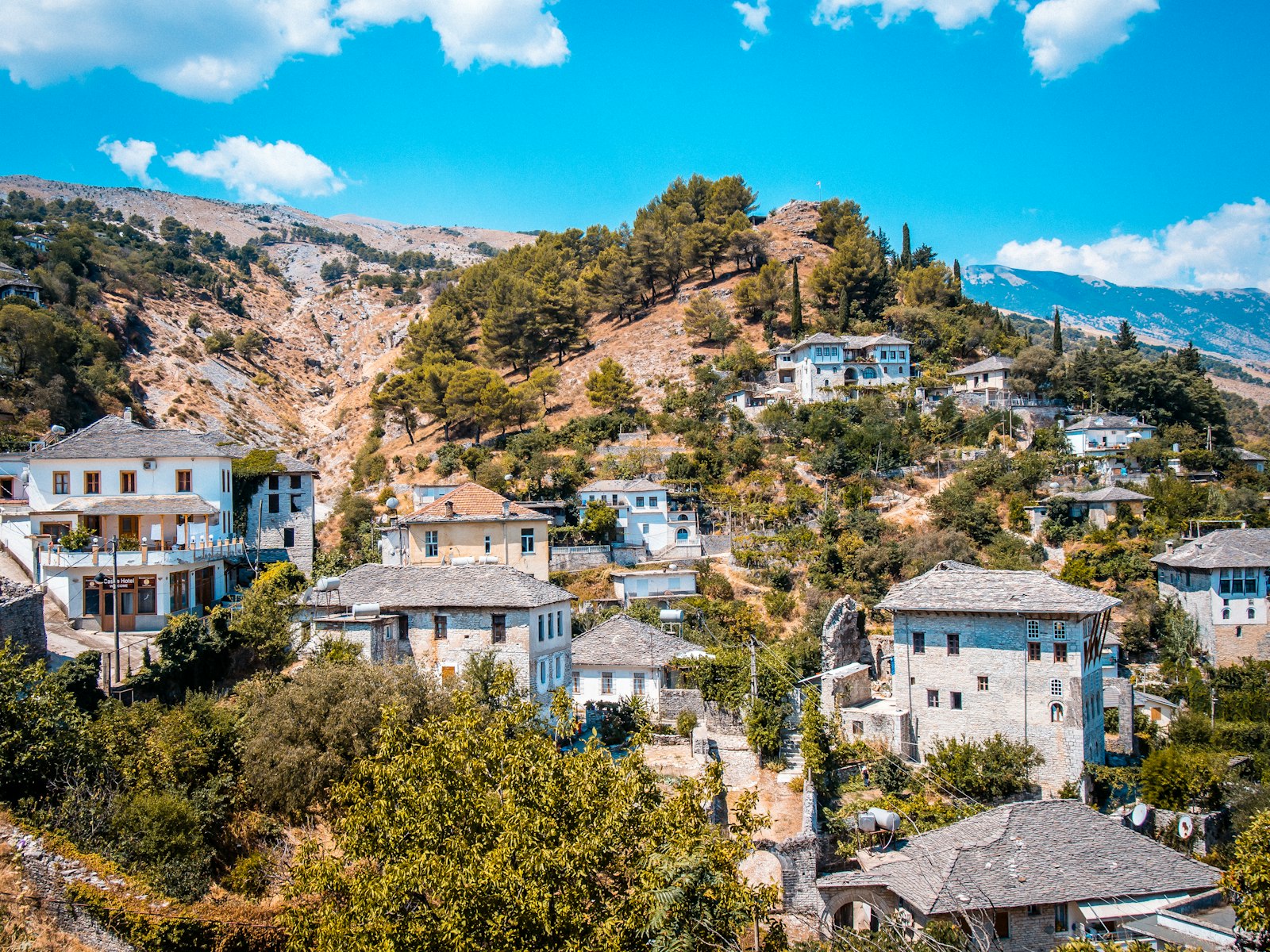
Gjirokastër (*Gjirokastra* in Albanian) feels like a city from another era. The old town climbs a steep ridge in the Drinos Valley, its Ottoman stone houses dark and heavy, their slate-tiled roofs cascading down the hillside. Above it all, the enormous castle dominates the skyline — one of the largest surviving Ottoman-era fortresses in the Balkans.
The city is a UNESCO World Heritage Site (shared inscription with Berat since 2008), but it receives a fraction of the visitors those cities might suggest. It's the birthplace of two of Albania's most famous cultural figures: novelist Ismail Kadare — whose books are set among these exact stones — and Enver Hoxha, the communist dictator who ruled Albania for 41 years. Their childhood homes are both visible in the old town.
Gjirokastër also sits at the center of Albania's most rewarding southern loop: Saranda, the Albanian Riviera, the Blue Eye spring, and Butrint are all within easy reach.
Top Things to Do in Gjirokastër
Gjirokastër Castle
The fortress looming above the city dates in various forms from the 4th century BCE, rebuilt significantly in the 12th and 18th centuries, and heavily fortified during the communist period. Inside, it holds a military museum with tanks, artillery, and — dramatically — a captured American U-2 spy plane displayed in the central courtyard. The views from the castle walls over the city and valley are extraordinary. The Clock Tower within the castle grounds is one of the most photographed structures in Albania.
The Old Bazaar (Pazari i Vjetër)
The long, arched bazaar runs along the spine of the ridge below the castle. Most of the stalls now sell handcrafts, carpets, and souvenirs rather than the ironmongery and leather goods of Ottoman times, but the architecture is intact and the atmosphere is genuine. Good for kilim rugs, traditional shoes (opinga), and copper objects.
The Skenduli House
One of the finest surviving examples of an Albanian tower house (kulë). The Skenduli family home, open to visitors, offers a rare look inside the interior architecture of a traditional Gjirokastër mansion — with its distinct division of male and female spaces, intricate carved wooden ceilings, and defensive features. Check current opening hours locally.
Ismail Kadare's Former Home
The childhood home of Albania's most internationally celebrated author, Ismail Kadare (*The General of the Dead Army*, *Chronicle in Stone*), is in the upper old town. A small marker identifies it; the house itself is not a formal museum but visitors often stop here.
The Ethnographic Museum
Located in Enver Hoxha's former family home — a fact that gives the visit an unusual political dimension — the Ethnographic Museum covers traditional Albanian life, costumes, crafts, and domestic objects. The house itself is an excellent example of Gjirokastër's tower house architecture.
Where to Stay in Gjirokastër
The best accommodation is within the old town itself, in traditional stone guesthouses converted from Ottoman tower houses. Staying up in the old town means dramatic views and an incomparable atmosphere.
- Budget/mid-range: Traditional stone guesthouses in the old town offer rooms with castle views at excellent value — around 3,500–6,500 ALL/night.
- Splurge: A handful of boutique properties have set up in restored tower houses with private terraces.
Search for guesthouses in Gjirokastër on Booking.com.
Eating in Gjirokastër
Gjirokastër's restaurant scene is small but good for traditional Albanian food. The area around the bazaar and lower old town has several spots serving local dishes. This is a good city to eat where your guesthouse recommends.
- Paçe — a southern Albanian specialty; hearty sheep's head soup, eaten for Sunday breakfast
- Lakror — a local version of byrek, made with corn flour in the Gjirokastër tradition
- Tavë — a variety of baked dishes in earthenware; ask what the kitchen recommends that day
- Dinner for two with drinks: approximately 1,500–2,500 ALL ($14–$23)
Getting to Gjirokastër
From Tirana: Direct buses run from Tirana south bus station. Journey approximately 4–5 hours. Several departures daily.
From Saranda: Buses and furgons link Saranda with Gjirokastër (approximately 1.5–2 hours). This is a very common route for travelers doing the southern circuit.
From Berat: Direct buses run between the two UNESCO cities. Approximately 2.5 hours.
By car: Gjirokastër sits on the SH4/A3 — the main southern artery — about 230 km from Tirana. The road passes through some of Albania's finest mountain scenery. Note that the old town's streets are extremely steep and narrow; park at the lower areas and walk up.
Day Trips from Gjirokastër
- Saranda (1.5–2 hours) — coastal city and riviera hub Saranda guide →
- Blue Eye (Syri i Kaltër) (45 min by car) — Albania's most famous natural spring Blue Eye guide →
- Butrint (2 hours via Saranda) — UNESCO ancient ruins Butrint guide →
- Përmet Gorge — dramatic river canyon accessible via Permitë, about 1 hour north
Frequently Asked Questions
How do you get to Gjirokastër from Tirana? By bus from Tirana's south bus station. Journey is approximately 4–5 hours. Buses depart daily, often in the morning.
How long should I spend in Gjirokastër? One full day covers the castle, bazaar, and a tower house museum. Two days is more comfortable and allows for a day trip to the Blue Eye or Saranda.
Is Gjirokastër worth visiting? Absolutely. It's one of the most atmospheric cities in the Balkans and remarkably free of mass tourism. The castle alone is worth the trip.
Is it hard to walk around Gjirokastër old town? Yes — the streets are steep cobblestone, often wet, and some sections require significant climbing. Wear comfortable shoes with grip. The views reward the effort.
What is Gjirokastër famous for? Its UNESCO-listed Ottoman architecture, its colossal castle, and as the birthplace of both Ismail Kadare (Albania's most celebrated novelist) and Enver Hoxha (the communist dictator).
Can you visit Gjirokastër and Berat on the same trip? Yes — both UNESCO cities are commonly combined. Gjirokastër to Berat is approximately 2.5 hours by bus.